Software Testing Course in Bangalore (Online Training)
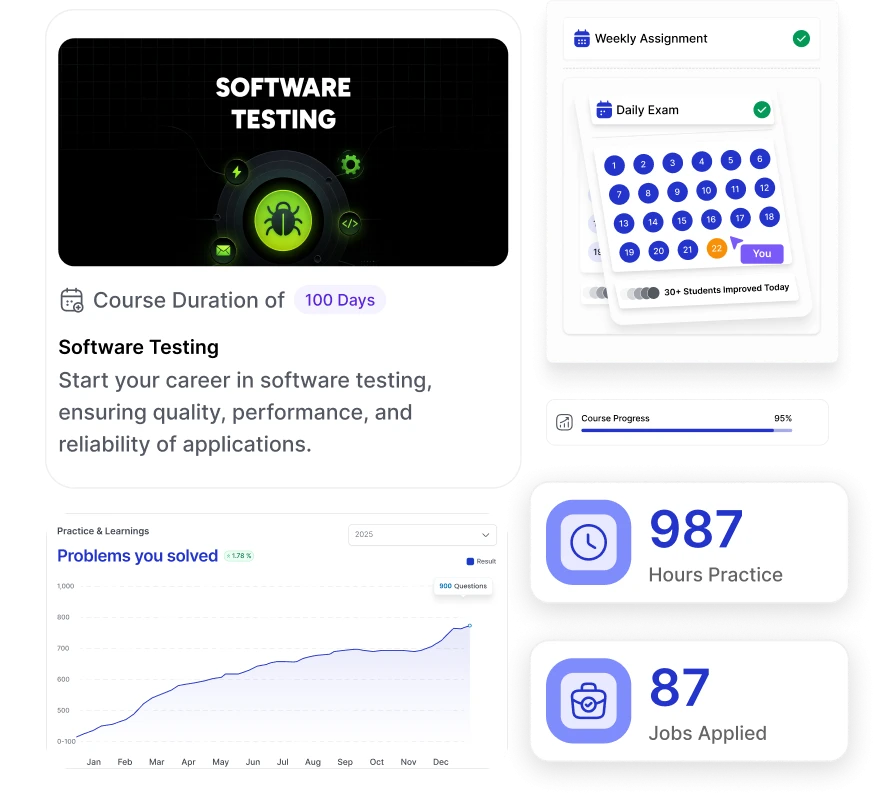
Codegnan’s Software Testing Course in Bangalore is a job-focused 100-day online training program designed for both beginners and IT professionals.
The course covers manual testing, automation testing using Selenium, Java fundamentals, MySQL, HTML, and CSS—equipping you with the essential skills to test and deliver high-quality, error-free software.
You’ll work on live projects, gain hands-on experience, and receive an industry-recognized certificate. With expert mentorship from ex-IITians and working professionals, plus 100% placement support and access to 150+ hiring drives, this program is your fast track to a successful software testing career.
Disclaimer: We are not accepting offline enrollments at the Bangalore centre at this time. The Software Testing training in Bangalore is available only in online mode
Building bridges between learning and real-world success.
50 days Instructor Led Training
Self-Placed Videos
Exercises & Projects
Authorized Certification
Flexible Schedule
Lifetime Access & Upgrade
24/7 Lifetime Support
Course Overview
Software testing training course overview and key features
Our course follows a proven daily structure that combines guided instruction with hands-on implementation — ensuring you gain both clarity and confidence.
Software testing course gives the basic overview of how to give a final check to the software before you make it go live. It ensures your software performs smoothly and doesn’t have any kind of errors. Testers need to learn multiple skills like manual testing, white-box and black-box testing, knowledge of Selenium, and more.
A software testing training will teach learners on how to analyze, examine, observe, and evaluate different sections of a software. The primary goal is to equip the development team with software testing skills so that they can create high-quality error-free products that meet company requirements.
Here are a few key features of our software testing course in Bangalore.
Career Growth
Career growth with Software testing training course In Bangalore
Codegnan offers a Full Stack Software testing program for 3-4 months. It is a job-oriented professional course that provides strong knowledge and a proper understanding of Software testing technology. We provide extensive training in all the relevant disciplines to enable engineers to develop Ecommerce-based applications that meet industry standards. We also offer Java programming language training along with OCJP certifications.
1. Learn Manual & Automation Testing Together
Get in-depth knowledge of manual testing concepts and automation tools like Selenium, TestNG, and Java—all in one course, so you become a versatile software tester equipped for real-world challenges.
2. Hands-on Training with Live Projects
Work on real-time projects that simulate industry scenarios. This boosts your practical skills, strengthens your resume, and builds the confidence needed to handle QA roles from day one.
3. Expert Mentors from the Industry
Train under ex-IITians and working professionals who bring real industry experience. Their guidance helps you understand core testing practices and prepares you for technical interviews.
4. Industry-Accredited Certification
Receive a globally recognized certificate upon course completion. It validates your testing skills and improves your chances of getting shortlisted by top IT firms and startups.
5. 100% Placement Assistance
Gain access to 150+ hiring drives every year. From resume preparation to mock interviews and direct recruiter connections, Codegnan supports your full placement journey.
6. Career Growth in a High-Demand Domain
Bangalore hosts 10,000+ testing jobs with salaries ranging from ₹2LPA to ₹9LPA. Completing this course helps you enter a fast-growing field with long-term career opportunities.
Learning Path
What You’ll Learn
A step-by-step roadmap designed to take you from fundamentals to job-ready expertise.
Manual Testing
Test Cases & Bug Reporting
Software Testing Fundamentals
Testing Concepts & Types
Automation Testing
Tools like Selenium
API Testing
Testing Web Services
Performance Testing
Load & Stress Testing
Real-time Projects
Industry Use Cases
Certification & Placement
Skill Validation
Placement Support
AI Interview Preparation and Getting Hired
You'll Have
Everything You Need to Become Job-Ready
Industry-recognized certification, modern tools, real-world projects, and dedicated placement support — all in one complete program.
Placement Support
Daily and weekly assessments for progress tracking
Weekly mock interviews covering QA & HR rounds
3 placement drives every week
Real-World Projects
Real-time testing projects with live applications
Manual and automation testing projects
Participation in QA challenges and testing scenarios
Tools You’ll Learn
Manual Testing
Selenium
TestNG
JIRA
API Testing (Postman)
Generative AI
Industry-Recognized Certification
Certification after each module
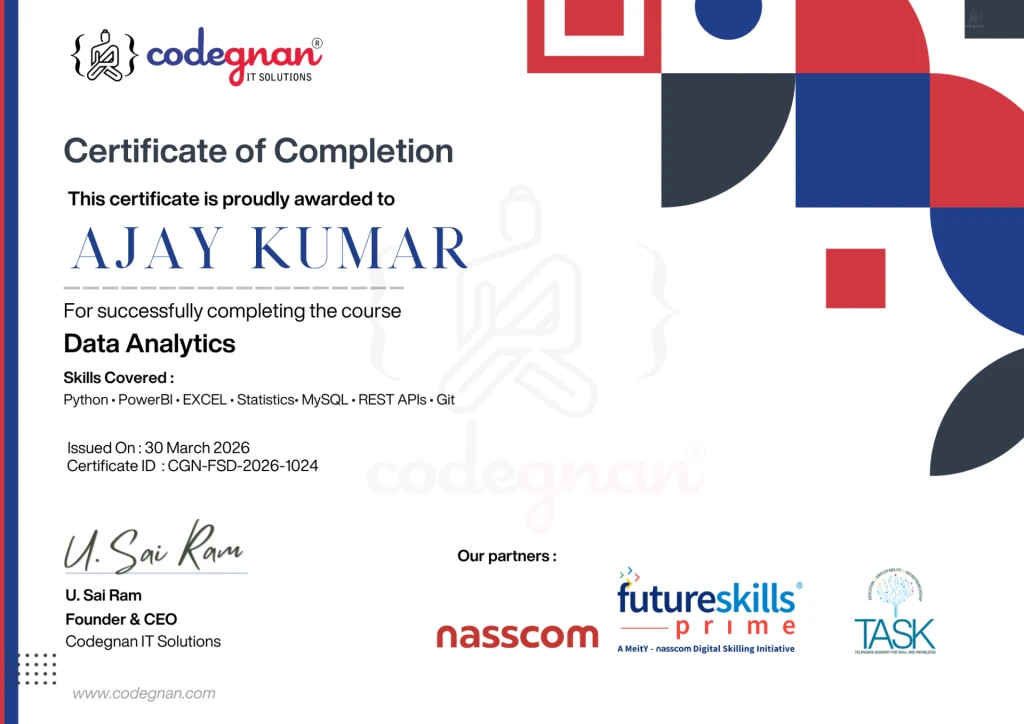
Codegnan Software Testing Certificate
Industry-recognized certifications from Nasscom, Microsoft, and HackerRank
Talk to our expert mentors and learn how software testing training in Bengaluru can help you become a Best Software Testing and get a high-paying job.
Outcome
Course Outcome
Hands-on projects covered in our Software Testing Training in Bangalore
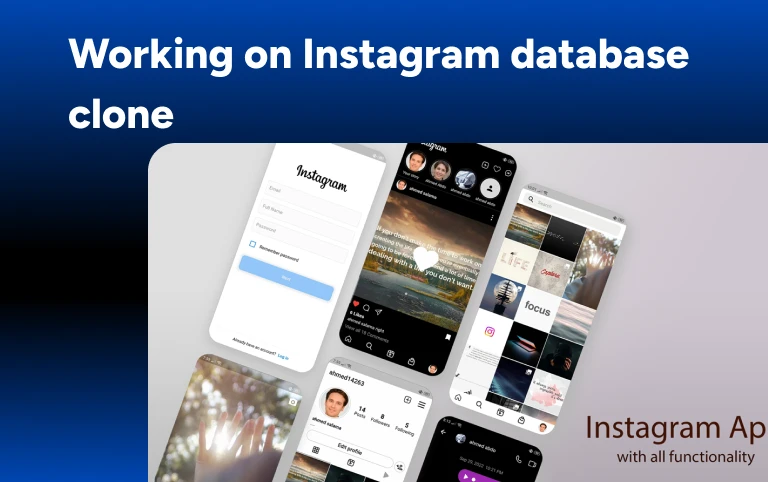
Instagram Database Clone: One of the essential parts of a software testing course is learning about MySQL. This Instagram Database Clone project gives learners a brief overview of building different schemas, which is a list of logical data structures by cloning the Instagram Database. It includes cloning of Users Schema, Followers Schema, Photos Schema, Likes Schema, and Hashtags Schema. Learners will also be introduced to Instagram Clone challenges and how to resolve them in real-time.
Building your favorite blog with HTML:This project teaches you to build a basic blog website using HTML. It shows how the code you write in HTML translates into a functioning webpage. Software testers can use this HTML knowledge to identify and inspect the underlying web page codes to determine different elements used on the page. Software testers can verify whether the page structure matches with client design specifications.
Resume building with HTML: This project will help learners create online resumes using HTML codes to showcase their skills and experience in a more interactive format and stand out from the crowd. It will help students gain in-depth knowledge of implementing HTML tags and hyperlinking.
Building registration and login page of a website with HTML: Learners will learn how to build a basic registration and login page of any website. It won’t involve actual user authentication but focuses on building an attractive user interface. This project gives you the concepts of HTML forms and their attributes, which are the basis of building dynamic websites.
Building Portfolio Page with CSS: Learners will get a better concept of styling their Portfolio Page using CSS and make it look visually appealing. It includes CSS elements like selectors, properties, and values, and the use of layouts like Box models, Floats, Margin and page layout, and more.
Building a Paytm clone Page with CSS:This project aims at cloning the visual style of Paytm using CSS along with existing HTML knowledge. It implements advanced CSS selectors and positioning techniques like float, position, flexbox, and grid layout.
A Structured, Interview-Focused Training Model Designed for Real Industry Success
Placement-Oriented Training That Converts Skills Into Jobs
🔴 The Challenge
Many students learn concepts but struggle with interviews due to lack of practical exposure, communication skills, and structured preparation.
🟢 Our Approach
We combine industry-driven curriculum, real-world coding practice, soft skills training, and mock interviews to ensure students are fully prepared for hiring processes.
We don’t just teach concepts — we train you to crack interviews.
What this means?
Curriculum designed based on current industry demand
Strong focus on problem-solving & real-world scenarios
What Projects Will You Build in Our Bangalore
Full Stack Software testing Course?
During the Full Stack Software testing Training in Bangalore, you’ll dive into real-world projects designed to turn theory into hands-on experience. These practical assignments strengthen your full stack Software testing skills and help you become job-ready.
Below are a few major projects you’ll be building throughout the course — and there’s plenty more to explore!
1. Instagram Database Clone (MySQL Project)
Build a complete Instagram-like database using MySQL. You’ll create and manage tables for users, posts, comments, likes, and followers. This project helps you understand SQL joins, queries, and data relationships—perfect for real-world backend testing and database validation tasks in any software testing job.
Led By Anand Sir
Senior Mentor who have experience of 20 Years.
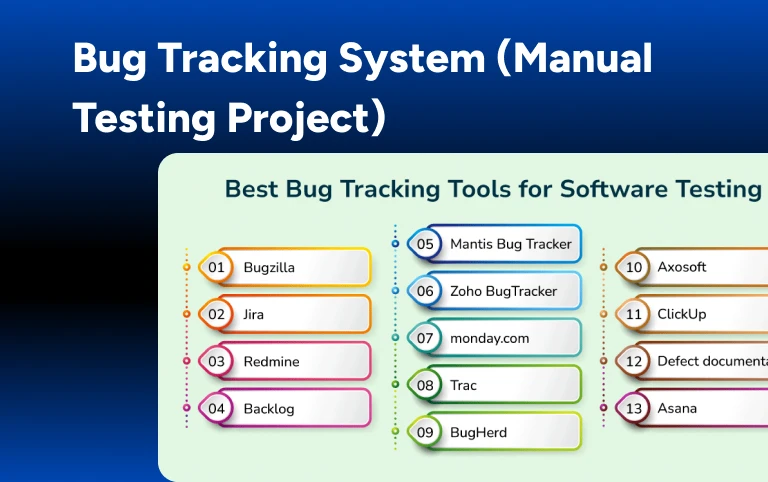
2. Bug Tracking System (Manual Testing Project)
Work on a real-time bug tracking system to understand the full manual testing cycle. Learn to create detailed test cases, execute test plans, report bugs, and track them through their defect life cycle. This project builds your confidence in identifying, documenting, and communicating software issues effectively.
Led By Anand Sir
Senior Mentor who have experience of 20 Years.
3. E-commerce Website Testing (Selenium Project)
Use Selenium WebDriver to test core features of a sample e-commerce site—like product search, filters, cart updates, and checkout processes. You’ll write scripts to automate UI actions, verify data, and handle dynamic elements. This project boosts your automation testing skills using real-world user flows.
Led By Anand Sir
Senior Mentor who have experience of 20 Years.
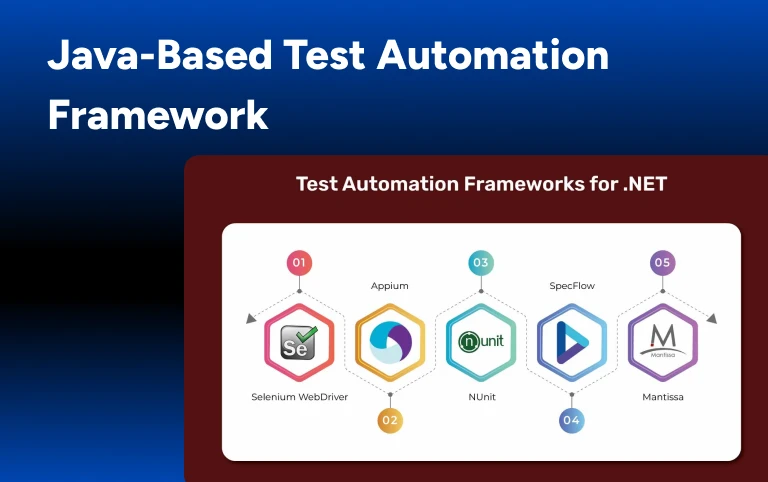
4. Java-Based Test Automation Framework
Develop a reusable test automation framework using Java, TestNG, and Maven. You’ll organize your scripts, implement test suites, use assertions, and generate reports. This project gives you hands-on experience in creating scalable testing systems used in professional QA teams.
Led By Anand Sir
Senior Mentor who have experience of 20 Years.
Who Should Enroll in the SoftwareTesting Full Stack Course in Bangalore
01
1. College Students and Fresh Graduates
Kickstart your tech career with in-demand full stack skills. This course helps you build a solid foundation in Software testing, preparing you for entry-level roles and interviews with top IT companies.
02
2. Beginner Programmers
New to coding? No problem. The course starts with core Java basics and gradually builds up to advanced with selenium projects, making it ideal for beginners with no prior experience.
03
3. College Students and Fresh Graduates
Kickstart your tech career with in-demand full stack skills. This course helps you build a solid foundation in Software testing, preparing you for entry-level roles and interviews with top IT companies.
04
4. IT Professionals Upskilling
Kickstart your tech career with in-demand full stack skills. This course helps you build a solid foundation in Software testing, preparing you for entry-level roles and interviews with top IT companies.
05
5. Anyone Interested in Software Testing
Full Stack
Kickstart your tech career with in-demand full stack skills. This course helps you build a solid foundation in Software testing, preparing you for entry-level roles and interviews with top IT companies.
06
6. College Students and Fresh Graduates
Kickstart your tech career with in-demand full stack skills. This course helps you build a solid foundation in Software testing, preparing you for entry-level roles and interviews with top IT companies.
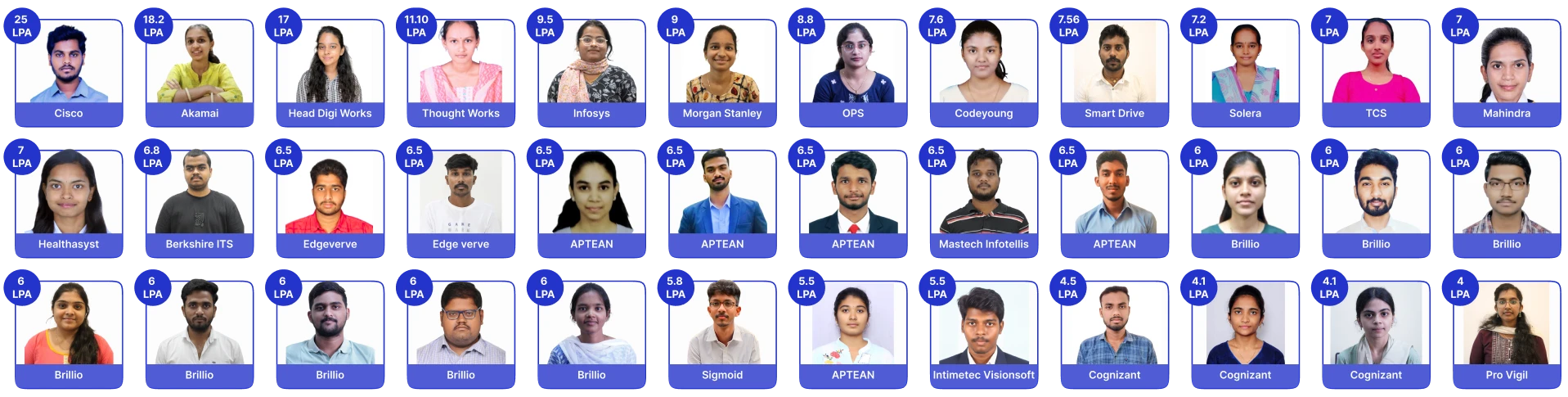
Trusted by 4,000+ students and 850+ hiring partners
I am truly thankful to Codegnan IT Solutions for granting me the chance to intern with their wonderful organization. This experience has been a fantastic journey of growth and learning for me as a student, and it wouldn’t have been possible without their valuable guidance and mentorship. I am a ML student here, the course curriculum is well made with theoretical and practical knowledge. Great staff who guide you with all possibilities by clarifying your doubts.
Poojitha Reddy
I had a really good experience learning with Codegnan, through the bootcamp conducted at our college MLR Institute of Technology. Our mentor Ravi Shiva Ram Teja Sir, he taught us with aa hands o n project which boosted our learning process. The bootcamp was learning about Frontend technologies like HTML,CSS,JS and in addition we worked with APIs and learnt about github.
Eshwar Reddy Mandala
A Heartfelt Thank You to My Mentor Siva Ram Teja Sir, I wanted to take a moment to express my deepest gratitude for mentoring magnificently in this 2-day Bootcamp of “WEB MANIA 2.0”. Your mentorship has been a guiding light, shaping not only my professional skills but also my approach to challenges and opportunities.
Mellacheruvu Venkata Naga Nitya Pushkala
At present I am learning Java full stack developer course . As far as it was such a great experience and individual mentoring helping a lot and more experienced trainers ,and the most essential thing is practical learning everyday, We all knew that theoretical knowledge itself is not enough . Hands-on experience is also more important to learn and for problem solving . Thank you KishorKumar sir and Codegnan IT Solutions
Yegireddy Deekshitha
Hi guys!! I have been learning java FSD in Codegnan. The Trainers are very experienced. I Personally experinced that their teaching method is very good. They are teaching us from scratch . They are providing a good guidance to each and every student. Our trainer Kishor Kumar sir, I never experienced and imagined such a great teaching.
Boina Sowmya
I completed a Python course at Codegnan under the guidance of Manohar Chary sir, and his teaching style is so effective, He is explaining concepts so clearly. I highly recommend Codegnan for their excellent training. Thanks to Manohar Chary sir and the entire Codegnan team!
Naresh Bommarathi
wonderful learning experience at the 2 days web-development bootcamp, conducted by Ram Teja sir, he taught us many fundamentals of web-development while keeping the bootcamp engaging.
Poojitha
Just finished a 2 days bootcamp on web development by from codegnan, should say it was a great experience and especially under insightful mentorship by Mr. Siva Ram Teja.
Tech Expert with 6+ years of experience in Python Development, skilled in end-to-end solutions and training professionals across startups and enterprises.
Senior Java Trainer with 12+ years of experience in Java and Full Stack development, skilled in delivering scalable solutions and training students and professionals across enterprise environments.
Tech Expert with 5+ years of experience in Python Programming, skilled in delivering solutions and training students and professionals across startups and enterprise environments.
Master’s graduate in Computer Science and Engineering with 7+ years of experience in software development, skilled in building scalable applications and delivering efficient real-world solutions.
Senior Soft Skills & Communication Trainer with decades of experience since 1995, holding M.A., M.Phil., and Ph.D. in English, skilled in communication, personality development, and professional training.
Learn software testing to identify software defects before launch, reduce performance and security risks, and ensure product quality. Testing is a core part of the software development lifecycle that increases reliability and customer trust.
2. What is the eligibility to join a software testing course in Bangalore?
Anyone can join a software testing course in Bangalore. Professionals face no eligibility barrier. Students must score 60% in 10th, 12th, and graduation for streams like BTech (CSE, IT, ECE, EEE), MCA, BSc, and BCA.
3. What certificate do I get after completing the software testing course?
Complete the software testing course to receive an industry-accredited certificate. Codegnan also offers HackerRank and internal platforms to earn skill badges that improve job placement chances.
4. Does Codegnan help in getting software testing jobs or internships?
Codegnan provides 100% job and internship assistance for software testing roles. They organize at least 150 placement drives per year, helping learners get hired quickly.
5. What is the duration of the software testing course in Bangalore?
The software testing course in Bangalore lasts 100 days. Duration may vary slightly based on class schedules and syllabus depth, but the course prepares students for immediate job readiness.
Still have questions?
Can’t find the answer you’re looking for? Please contact to our friendly team.
Not sure which course is right for you? Share your details and our course expert will help you choose the right program based on your goals, experience, and career plans.
Build Your Career
Ready to Build the Skills Employers Are Looking For?
Learn in-demand technologies with industry-focused courses,
hands-on projects, expert guidance, and career support.
We use cookies and similar technologies to
improve your experience, analyze website
traffic, and measure our marketing campaigns.
You can accept all cookies or manage your
preferences.